The Actively Managed Nuclear Energy Fund Built for the Full Value Chain: TNUK

Explore TNUK— The Tortoise Nuclear Renaissance ETF

TNUK is an actively managed fund that targets the full nuclear energy value chain — from uranium mining and fuel processing to reactor development and power generation.

  • Active Management, Not Index Tracking — A dedicated fund with a portfolio team that dynamically allocates across mining, fuel cycles, reactor design, and operators based on conviction, not index weights.
  • Full Value Chain, Not Just Uranium — A tiered methodology emphasizing companies with the highest nuclear revenue and asset exposure, delivering broader access than uranium-only or index-constrained alternatives.
  • Positioned for Secular, Long-Term Demand — At the intersection of rising electricity needs from AI, data centers, and electrification, nuclear energy is a critical zero-carbon baseload solution.

Why the Right Nuclear Energy Fund Matters More Than the Cheapest Index

Problem

A Nuclear Energy Index Fund May Not Be Able to Keep Up With a Sector This Complex

  • The nuclear value chain spans mining, fuel processing, reactor design, and operations. An index applies fixed rules regardless of where value is concentrated — it may not be able to evaluate which companies have the highest-quality nuclear exposure.
  • Nuclear is evolving rapidly. Reactor restarts, SMR development, fuel cycle reshoring, and AI-driven power demand are reshaping the sector in real time. Index rebalancing schedules can lag these shifts by quarters.
  • Broad indices often dilute exposure. They frequently include companies with minimal nuclear revenue alongside pure-play operators, reducing the purity of the portfolio’s nuclear positioning.


  1. Exposure to U.S. energy producers, midstream assets, and utilities
  2. Tactical allocation across equities, credit, and options
  3. Covered call strategy to enhance income and reduce volatility
  4. A modern energy infrastructure ETF positioned for long-term trends
  5. 1099 tax reporting with no K-1, and ETF liquidity

Social Post 2 - Nuclear Value Chain
shutterstock_1997730005

Solution

TNUK: An Active Nuclear Energy Fund Covering Mining, Fuel, Reactors, and Operations

TNUK gives investors access to the companies building, fueling, and operating the world’s nuclear fleet — selected by an experienced portfolio team, not an index formula. From uranium producers and fuel processors to reactor designers and utility operators, the fund is designed to capture the nuclear renaissance across the full value chain with the discipline of active management.

  1. Exposure to U.S. energy producers, midstream assets, and utilities
  2. Tactical allocation across equities, credit, and options
  3. Covered call strategy to enhance income and reduce volatility
  4. A modern energy infrastructure ETF positioned for long-term trends
  5. 1099 tax reporting with no K-1, and ETF liquidity

The Nuclear Value Chain, Captured in One Fund

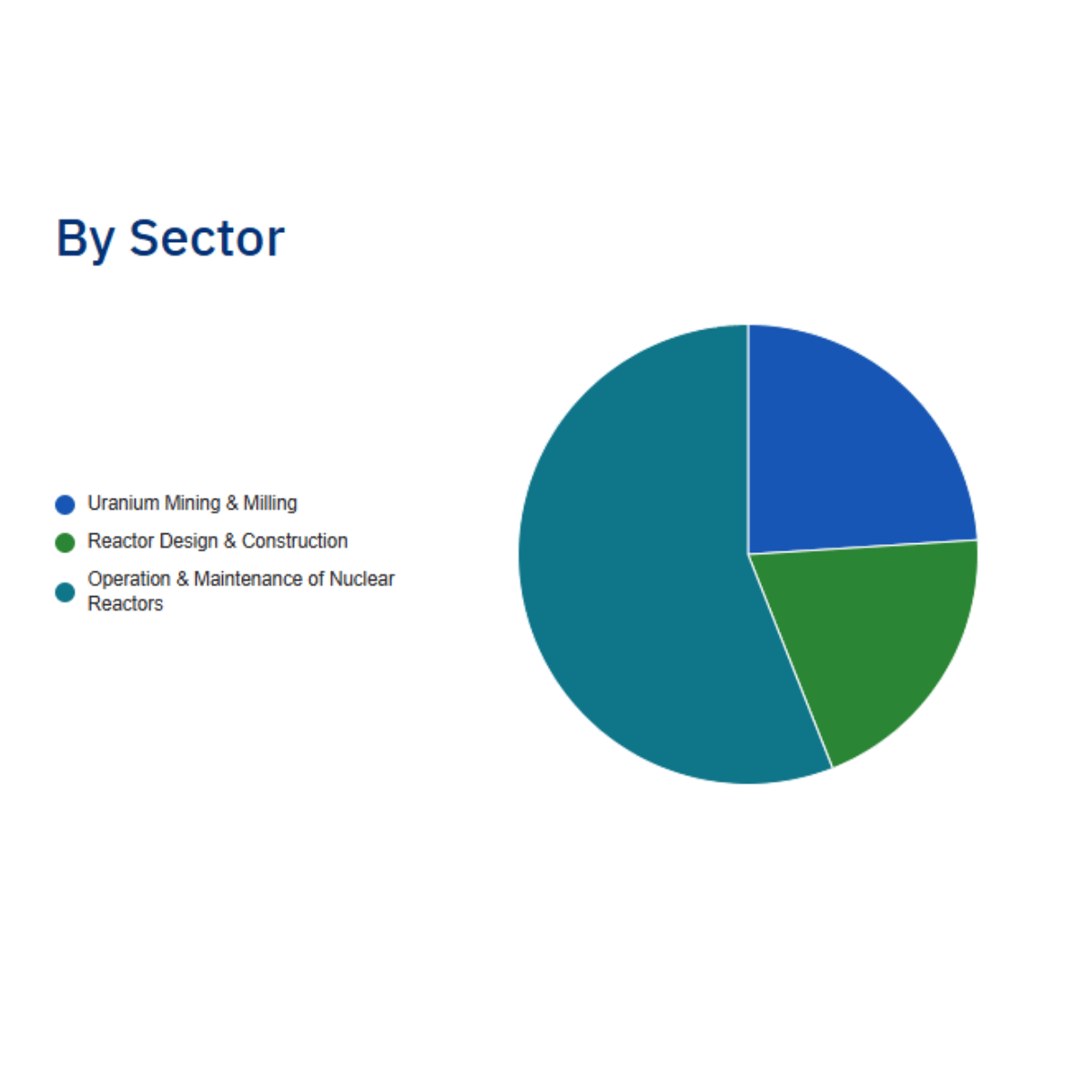
Uranium Mining & Milling

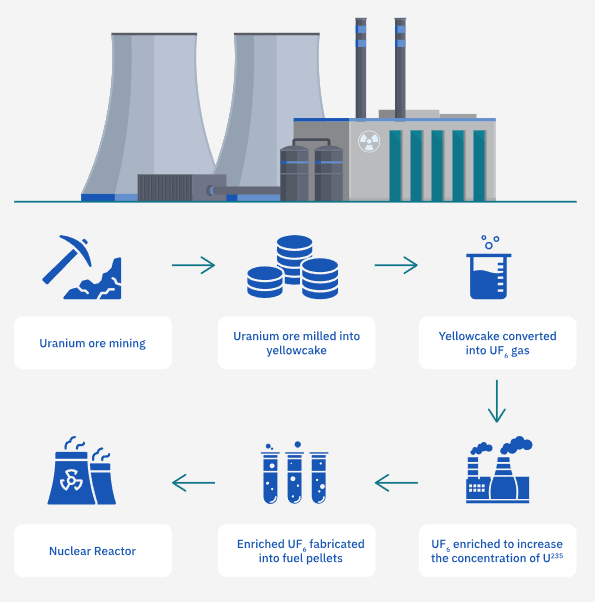
The upstream fuel supply foundation: mining uranium ore, milling it into yellowcake, and the conversion, enrichment, and fabrication steps that produce reactor-ready fuel.

Reactor Design & Construction

Engineers, designers, OEMs, and component manufacturers bringing new and next-generation reactor technology from blueprint to reality, including small modular reactors (SMRs).

Operation & Maintenance of Nuclear Reactors

The utilities and operators that run existing nuclear plants and manage the long-term performance of the fleet, including refueling, uprates, and life extensions.

pie chart

Explore What’s Driving the Nuclear Renaissance

Nuclear power is regaining importance as nations confront rising electricity demand and the need for reliable, zero-carbon baseload generation. Our in-depth analysis covers the history of nuclear power, the full value chain, global capacity trends, and why nuclear energy may be entering a period of renewed growth.

Not Ready for a Call? Download our Energy Sector ETF guide

How TPZ Compares to Other Energy ETFs: A Performance Breakdown

Discover how TPZ compares to other energy ETFs in our latest report.

Download our exclusive eBook to explore:

  • TPZ’s historical performance vs. other energy ETFs
  • How TPZ balances income, growth, and risk management
  • Key differentiators that set TPZ apart from passive energy funds
Download your eBook here

TNUK Fast Facts

Attribute Details
Fund Name Tortoise Nuclear Renaissance ETF 
Ticker TNUK
Exchange NYSE Arca
Fund Structure Actively Managed ETF
Inception Date 12/18/2025
  Benchmark   Bloomberg Nuclear Power Total Return Index
Distribution Frequency Semi-Annual
Investment Objective Total Return
Tax Reporting Form 1099; no K-1s, no UBTI
Expense Ratio 0.75% (Unitary Fee)
  Number of Holdings    20-30
 Portfolio Managers   James Mick, Rob Thummel, Brian Kessens, Matt Sallee

FAQs: Understanding the Tortoise Nuclear Energy Fund: TNUK

How is TNUK different from a nuclear energy index fund?

An index fund tracks a fixed set of holdings determined by rules — often with broad inclusion criteria that dilute exposure to companies with meaningful nuclear revenue. TNUK is actively managed, which means the portfolio team selects and weights holdings based on nuclear revenue purity, asset quality, and positioning within the value chain. The fund uses a tiered framework that prioritizes companies with 50% or more of their revenue from nuclear activities.

This distinction matters because the nuclear sector is evolving rapidly. Reactor restarts, fuel cycle reshoring, SMR development, and AI-driven power demand are changing the competitive landscape faster than quarterly index rebalances can reflect. An actively managed approach has the flexibility to respond to these shifts; a passive index may not.

The fund holds 20-30 positions, actively managed by a portfolio team with 20+ years of experience each in energy, utilities, and infrastructure.


If TNUK doesn’t track an index, what does it use as a benchmark?

TNUK does not track an index. It is an actively managed fund that seeks total return by investing across the full nuclear value chain. For performance comparison purposes, the fund uses the Bloomberg Nuclear Power Total Return Index as its benchmark, but the portfolio team is not constrained by that index’s composition or weights. This gives the managers flexibility to concentrate in their highest-conviction positions and adjust allocations as the sector evolves.

What makes TNUK different from other funds in this space?

TNUK allocates across the full nuclear value chain — uranium mining and fuel processing, reactor design and construction, and plant operations. Most competing products track a passive index and concentrate heavily in uranium miners. TNUK uses a tiered methodology that emphasizes companies with the highest nuclear revenue and asset exposure, delivering more focused access to the nuclear industry than broad or index-constrained alternatives.

The fund holds 20-30 positions, actively managed by a portfolio team with 19+ years of average tenure in energy, utilities, and infrastructure.

Why consider investing in nuclear energy now?

Several structural trends are converging:

  • Rising electricity demand: AI-driven data center load growth and broader electrification are driving growing strain on U.S. power capacity.
  • Baseload reliability: Nuclear power operates at 90%+ capacity factors, the highest of any generation source, providing 24/7 carbon-free electricity that variable renewables cannot replicate.
  • Policy support: The 2025 Nuclear Executive Order, Inflation Reduction Act production tax credits, and bipartisan legislative backing have materially improved project economics.
  • Plant life extensions and restarts: Multiple U.S. reactors are scheduled for relicensing or restart for the first time in over 30 years.
  • Supply chain reshoring: Uranium conversion and enrichment capacity is being restarted domestically after decades of dependence on Russian sources.

Nuclear energy has shifted from a policy discussion to an execution phase, with utilities increasingly contracting for long-term uranium supply.

What does the “nuclear value chain” mean?

TNUK invests across three pillars of the nuclear industry:

  • Operation & Maintenance: Regulated utilities, independent power producers, and service firms that operate nuclear plants and perform refueling, maintenance, and upgrades.
  • Uranium Mining & Milling: The upstream fuel supply chain, from uranium ore extraction through conversion, enrichment, and fuel fabrication.
  • Reactor Design & Construction: OEMs, component manufacturers, engineering firms, and SMR developers.

This structure captures activity across the full lifecycle of nuclear energy, rather than concentrating in a single segment.


Where does TNUK fit in a portfolio?

  • Thematic Satellite Allocation: For investors seeking targeted exposure to structural growth trends in nuclear energy.
  • Real Assets & Infrastructure Sleeve: Nuclear fits alongside pipelines, LNG, power generation, and regulated infrastructure assets.
  • Energy Transition / Electrification Sleeve: Nuclear is increasingly viewed as a critical zero-carbon baseload source that can scale alongside renewables.
  • Diversification Enhancer: TNUK has low overlap with traditional oil and gas holdings and is distinct from broad utilities-focused products. Overlap with Tortoise’s existing energy products (TPZ, TORIX, TNGY) is approximately 25%.


Isn’t TNUK just utilities?

Operators and utilities are the largest allocation, but the fund also invests in uranium miners and fuel cycle companies and reactor designers, component manufacturers, engineering firms, and SMR developers. The portfolio spans all three segments of the nuclear value chain.


Does TNUK have a track record?

TNUK launched on December 18, 2025, so the track record is limited. However, the portfolio management team — James Mick, Rob Thummel, Brian Kessens, and Matt Sallee — brings over 20 years of average tenure managing energy, utilities, and infrastructure investments through multiple market cycles at Tortoise Capital.

Does TNUK issue a K-1?

No. TNUK is structured as a RIC (Regulated Investment Company) and issues a Form 1099. No K-1s and no UBTI concerns for retirement accounts.

Can TNUK invest in other funds?

Yes, TNUK can tactically invest in other funds within the limits of Section 12(d)(1) of the 1940 Act, typically to manage cash or gain efficient exposure while maintaining active oversight.

Why Tortoise Capital?

Deep Expertise Across the Entire Energy Value Chain

Long-tenured team.

By investing in the energy value chain since our founding in 2002, our team is deeply familiar with the companies, their management teams, and their performance throughout multiple recessions.

Active, hands-on approach.

With our deep market knowledge and key relationships, we partner with companies for the long term who maintain good governance, strong environmental practices, and sound business strategies.

Deep, proprietary research and detailed financial models.

Taking to heart the phrase “trust, but verify,” we also lean heavily on our own in-depth research and financial analysis.

Important Information

Tortoise Capital Advisors, LLC is the advisor to the Tortoise Nuclear Renaissance ETF.

Before investing in the funds, investors should consider their investment goals, time horizons and risk tolerance. The funds’ investment objective, risks, charges and expenses must be considered carefully before investing. The statutory prospectuses and the summary prospectuses (click here) contain this and other important information about the funds. Copies of the funds’ prospectus may be obtained by calling 855-994-4437 or by emailing info@tortoisecapital.com. Read it carefully before investing.

As stated in the Prospectus, the total annual operating expenses are 0.75%.

Investing involves risk. Principal loss is possible. The Fund is classified as “non-diversified,” which means the Fund may invest a larger percentage of its assets in the securities of a smaller number of issuers than a diversified fund. Investments in securities of a limited number of issuers exposes the Fund to greater market risk and potential losses than if its assets were diversified among the securities of a greater number of issuers. The Fund will be sensitive to, and its performance will depend to a greater extent on, the overall condition of companies in the Nuclear Industries. Companies in the Nuclear Industries may face considerable risk as a result of, among other risks, incidents and accidents, breaches of security, ill-intentioned acts of terrorism, air crashes, natural disasters (such as floods or earthquakes), equipment malfunctions or mishandling in storage, handling, transportation, treatment or conditioning of substances and nuclear materials.

Derivatives include instruments and contracts that are based on and valued in relation to one or more underlying securities, financial benchmarks, indices, or other reference obligations or measures of value. Investments in securities of foreign companies involve risks not ordinarily associated with investments in securities and instruments of U.S. issuers, including risks relating to political, social and economic developments abroad, differences between U.S. and foreign regulatory and accounting requirements, tax risks, and market practices, as well as fluctuations in foreign currencies. Companies defined as small and mid-cap securities may involve greater risk than is normally associated with large cap companies, and as a result may be more volatile and less liquid than the securities of large-cap companies, and may have returns that vary substantially from the overall securities markets.

Shares of exchange-traded funds (ETFs) are not individually redeemable and owners of the shares may acquire those shares from the ETF and tender those shares for redemption to the ETF in Creation Units only, see the ETF prospectus for additional information regarding Creation Units. Investors may purchase or sell ETF shares throughout the day through any brokerage account, which will result in typical brokerage commissions.

The S&P 500® Total Return Index is a total return index that reflects both changes in the prices of stocks in the S&P 500 Index as well as the reinvestment of the dividend income from its underlying stocks.

Nothing on this website should be considered a solicitation to buy or an offer to sell any shares of the portfolio in any jurisdiction where the offer or solicitation would be unlawful under the securities laws of such jurisdiction. Nothing contained in this communication constitutes tax, legal or investment advice. Investors must consult their tax advisor or legal counsel for advice and information concerning their particular situation.

Quasar Distributors, LLC, distributor

NOT FDIC INSURED · NO BANK GUARANTEE · MAY LOSE VALUE

Tortoise-Capital_logo_white